Good evening,
There was a post on the digital technologies group this week;
Has anyone got a Level 2 assessment that could include 3D printing? It doesn't need to be DT standard. Could be Generic or other.
as well as
I have access to a small 3D printer for the first time this year. I would love some ideas for my Year 10 class on items they could make in SketchUp and 3D print. So far they have printed their name and a little person which I found the idea for on www.thingiverse.com. I would like to utilise the printer more and would love to know what others are doing. Any ideas, advice? Thanks
It is great to see teachers starting to embrace new technologies in their classroom. This started a conversation at school around how do we use 3D printers, is it an outcome that people just want to develop? or should we be looking at the innovation, engagement with learners, inspiring students to look at social good?
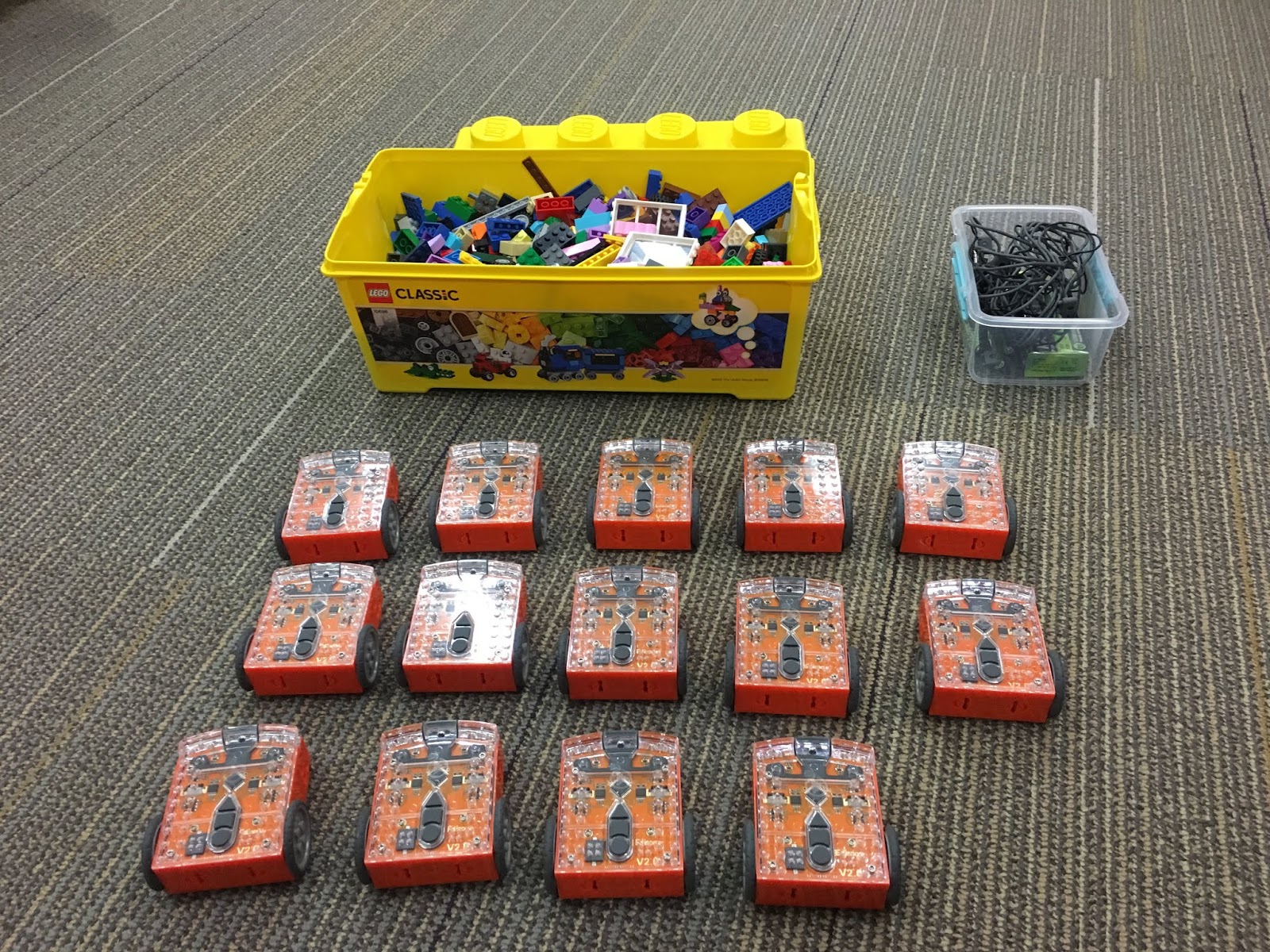
I have a students in my WALLE module, LEGO EV3 robotics where students are developing concepts of understanding of automated systems. This students loves to have something tactile with him, it is a way of him being able to concentrate better in class.
Another student has tactile putty with him and is developing his own spinners. Both of these students have some form of learning difficulty.
We have talked about fitgit cubes and other outcomes throughout the year, but when these emails came through, I started to think, not only of our students who are in our classrooms, but other students as well.
How could Technology Achievement Standards work to help students develop an understanding of their fellow students, but also assist to help better learning outcomes.
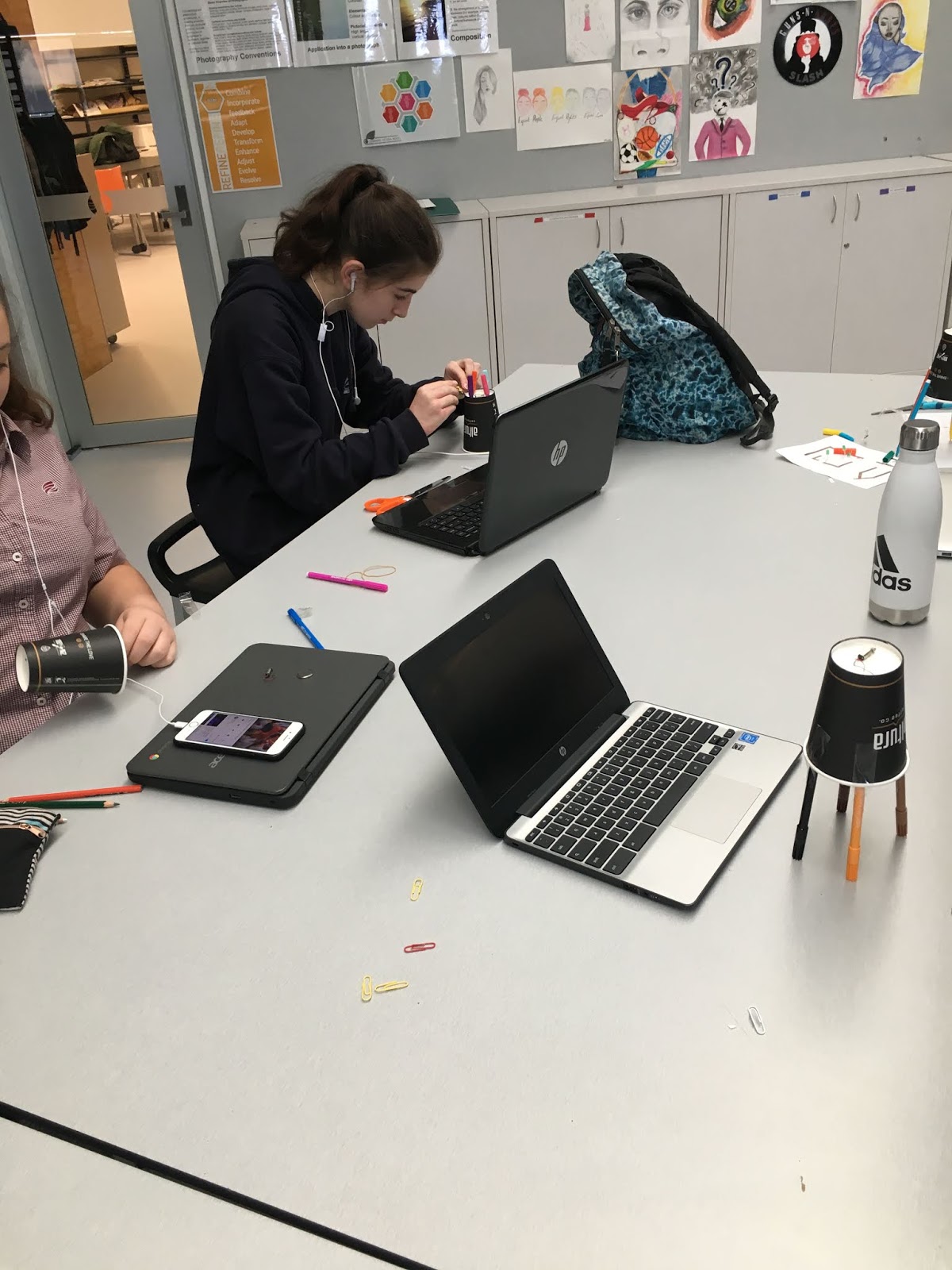
Through our Innovate Learning Environment I was able to go have a conversation with them about the idea. It just so happened that most of the gear on the desk was yo yo's fidget spinners, tactile putty, it helped the conversation start. What amazed me was that the class went quiet while the students spoke, the teachers, teacher aides and other students all started listening to what was being talked about and said. Some teachers also talked about how they have had to adapt to change as normally they would have banned these items from class. However through the conversation that we were having, it highlighted how its helped them to concentrate. How it was different from the pen clicking and the finger strumming.
Some of my thoughts that have lead me to this idea.
The ideas come from my students around concentration, entertainment, keeping focus, tactile, simple rather than complicated, Quiet (imagine clicking the pen, or tapping fingers)
The ideas come from the fidget widget, yo yo's, tactile putty, spinners. This is not around a distraction, but as a way to help them maintain focus within the classroom.
Stakeholders can be the ADHD kids in class or school.
Looking at the prototyping assessment for Technology Level 2 - Prototyping, allows for this type of development to happen. It could be used at other NCEA Levels as well.
Developing a Resource called the fidget widget.This assessment activity requires you to make and trial a prototype from a teacher-approved brief. The prototype is to develop a design outcome that helps students with Attention Deficit Hyperactivity Disorder or Poor Gross Motor Control (Weak muscles, struggle to do activity for a long period of time).
Upon completing this activity, you will submit:
- your prototype
- evidence of how you selected suitable materials, components, tools, and equipment
- evidence of how you used the results of ongoing testing and stakeholder feedback to make and refine your prototype
- evidence of trialling your garment to justify its fitness for purpose, including an explanation of any decisions you made to accept and/or modify your prototype.
Developing an idea for a need or opportunity is what Technology is about. The Technology essence statement:
Technology is intervention by design: the use of practical and intellectual resources to develop products and systems (technological outcomes) that expand human possibilities by addressing needs and realising opportunities. Adaptation and innovation are at the heart of technological practice. Quality outcomes result from thinking and practices that are informed, critical, and creative.
Technology makes enterprising use of its own particular knowledge and skills, together with those of other disciplines. Graphics and other forms of visual representation offer important tools for exploration and communication.
Technology is never static. It is influenced by and in turn impacts on the cultural, ethical, environmental, political, and economic conditions of the day.
When you read the statement and think about what the idea is about, students can see opportunities and start to think of the ideas, rather than just develop a 3D printed outcome.
I attach the following Technology_Level_2_Prototyping Achievement Standard Assessment, it would have to be modified to work within your school, but I hope it would provide an idea of the potential for students.
Lower levels
Since we are looking at technological products from the curriculum have developed a focus around transformation and manipulation of plastics. First we are looking at the different filaments that can be used, how they are made and the lifecycle of them.
This then leads to an activity that is being developed by the Print Lab, Facebook page here
https://www.facebook.com/weareprintlab/
In this lesson plan, students will design and 3D print a 1:50000 scale model of Mount Everest and its surroundings. Each student will be assigned a contour map to analyse before designing it in 3D and preparing it for 3D printing. 16 tiles will be created that assemble to form the 3D contour model.
This leads to a social good project around community and infrastructure, similar to getting students interested in their community project that happened in Christchurch a number of years ago that led to the the Margaret Mahy Playground being formulated and constructed. What is it that students see as needed in their community. This is getting students to look at what is required as part of a community, where it should be placed. This is getting students to create concepts, prototype and refine their designs that they will develop their classroom community for as each student will be required to develop a different part or function.
Another idea is to look at individual towns/cities of New Zealand and find the symbol that they are famous for, develop a map of New Zealand and use the 3D Printed symbols to help students identify the town/city.
Hope this gives you some different ideas.